
Introduction
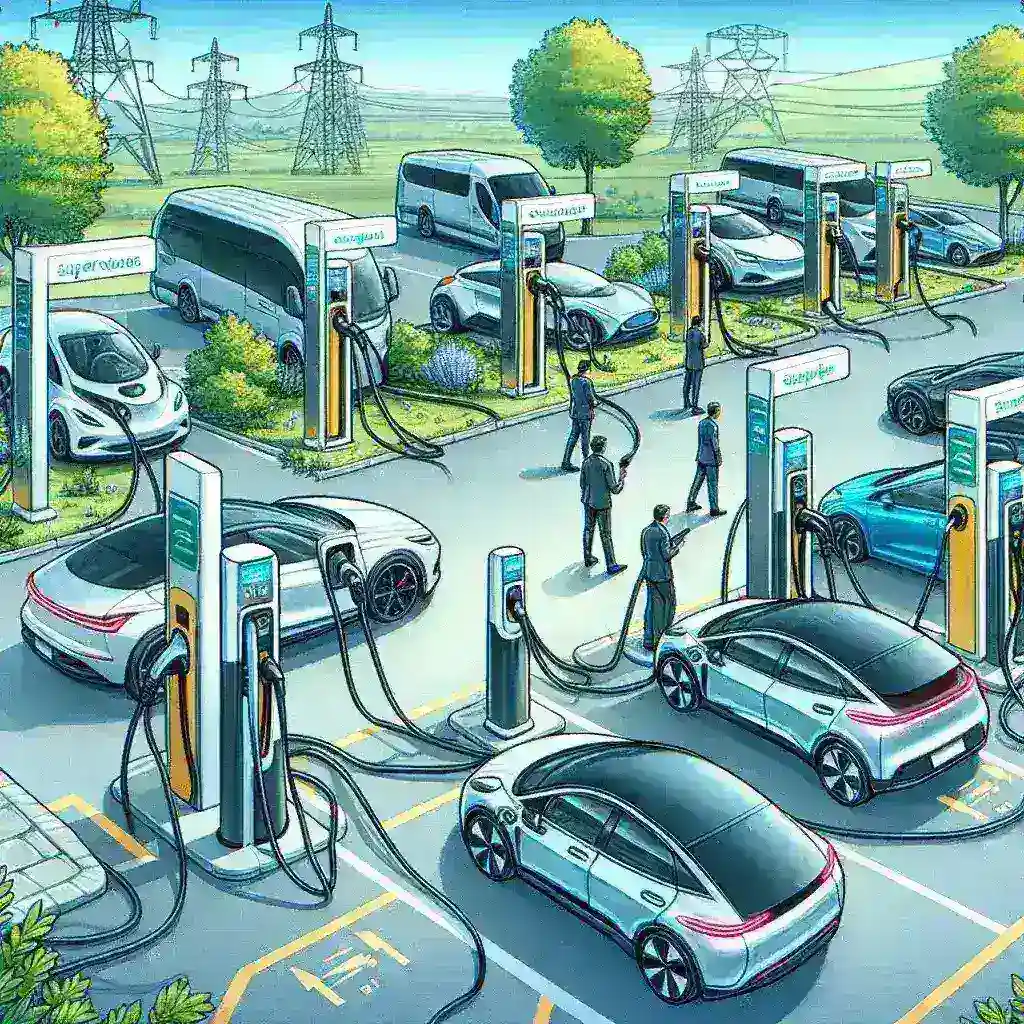
The electric vehicle (EV) market is rapidly evolving, with numerous automakers striving to carve out their own niches. As the demand for electric vehicles continues to surge, the need for efficient and expansive charging infrastructure becomes more critical. In a significant move, several Tesla competitors have united to launch a fast charging collaboration outside the North American Charging Standard (NACS). This article delves into this groundbreaking initiative, analyzing its implications, benefits, and future prospects for the EV landscape.
The Need for Fast Charging Collaboration
As of 2023, the proliferation of electric vehicles has put a spotlight on charging solutions. With the transition to sustainable transportation accelerating, the existing charging networks often struggle to keep pace with the growing number of electric vehicles on the road. A collaborative approach to EV fast charging infrastructure is essential for the following reasons:
- Addressing Range Anxiety: One of the primary concerns of potential EV buyers is range anxiety—the fear of running out of battery before reaching a charging station. By creating a more extensive network of fast chargers, automakers can alleviate these worries.
- Enhancing Customer Convenience: The convenience of fast charging stations significantly influences consumer adoption of electric vehicles. A collaborative network allows drivers to access charging stations regardless of their vehicle’s brand.
- Reducing Infrastructure Costs: Pooling resources for the development of charging stations helps reduce the financial burden on individual companies, making it a more viable solution for all parties involved.
The Players Involved
This new initiative sees prominent automotive manufacturers, including Ford, General Motors, Rivian, and others, coming together to establish a collaborative fast charging network. While Tesla has set a precedent with its NACS, this partnership aims to create an alternative that meets the needs of a diverse range of EVs.
Ford’s Commitment
Ford has been a significant player in the electric vehicle market, showcasing its commitment to sustainability with models like the Mustang Mach-E and the F-150 Lightning. By joining this collaboration, Ford aims to provide its customers with seamless access to fast charging infrastructure, ultimately enhancing the ownership experience.
General Motors’ Vision
General Motors, with its ambitious plans for an all-electric future, is also heavily invested in this initiative. The company recognizes that a robust charging network is crucial for achieving widespread EV adoption, ensuring that consumers can confidently transition to electric vehicles.
Benefits of the Collaboration
The collaboration among these companies offers several advantages:
- Standardization: By developing fast chargers that adhere to common standards, the collaboration can help unify the charging experience, making it easier for consumers to locate and use charging stations.
- Increased Coverage: The combined resources of these automakers can lead to a more comprehensive network of charging stations, improving accessibility for EV owners across regions.
- Shared Technology: The collaboration allows for the sharing of innovative technologies, which can lead to faster charging solutions, improving the overall user experience.
Challenges Ahead
While the collaboration brings numerous benefits, it also faces several challenges:
- Competition vs. Collaboration: The inherent competition among these companies may pose challenges to effective collaboration. Balancing competitive interests while working towards a common goal requires careful coordination.
- Investment and Funding: Establishing a fast charging network demands significant financial investment. Securing funding from various stakeholders, including government entities, will be crucial.
- Consumer Adoption: Ultimately, the success of this initiative hinges on consumer adoption of electric vehicles. Marketing efforts and consumer education are necessary to drive interest.
The Future of EV Charging
Looking ahead, the collaboration among Tesla competitors signifies a promising shift in the EV landscape. The development of a robust fast charging network can serve as a catalyst for greater EV adoption, fostering a sustainable future. As the industry continues to innovate, additional partnerships may emerge to enhance the charging experience further.
Predictions for 2025 and Beyond
As we approach 2025, several trends are likely to shape the future of EV charging:
- Expansion of Charging Networks: The collaborative effort is expected to lead to a significant increase in the number of fast charging stations, providing consumers with greater access and convenience.
- Integration of Renewable Energy: The shift towards renewable energy sources for powering charging stations will become more prevalent, aligning with global sustainability goals.
- Smart Charging Solutions: Advances in technology will likely result in smarter charging solutions, with features such as real-time data sharing and mobile app integration for users.
Conclusion
The launch of the EV fast charging collaboration outside NACS marks a pivotal moment in the electric vehicle industry. By uniting some of the biggest names in the automotive sector, this initiative holds the potential to reshape the EV charging experience, making it more accessible and user-friendly. As we continue to witness the evolution of electric mobility, this collaborative approach could serve as a model for future innovations in transportation infrastructure.
Join the Movement
As the electric vehicle market continues to grow, staying informed about the latest developments is crucial for consumers and industry stakeholders alike. Embracing the changes and understanding the collaborative efforts among automakers will ultimately facilitate the transition to a more sustainable future.