
Introduction
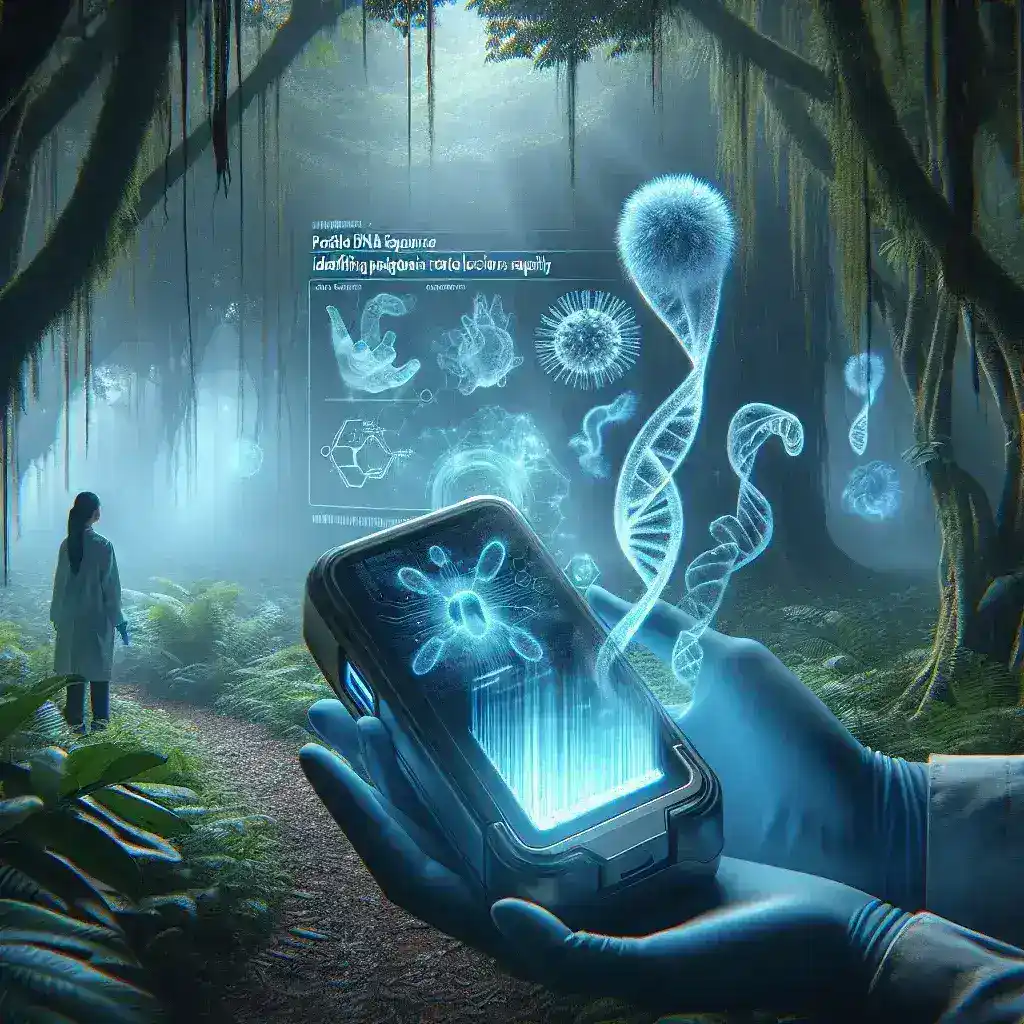
In an age where rapid response to infectious diseases is crucial, the development of portable DNA sequencers has emerged as a game-changer in the field of diagnostics. These compact devices have the potential to identify pathogens in remote locations within minutes, bridging the gap between medical technology and accessibility. This article explores the significance, functionality, and future of portable DNA sequencing technology in various settings.
The Need for Rapid Pathogen Identification
In remote areas, traditional laboratory-based testing methods can be slow and cumbersome, often leading to delayed treatment for patients. The ability to quickly identify pathogens is essential, especially in regions with limited healthcare infrastructure. Rapid identification can facilitate timely interventions, reduce the spread of infectious diseases, and ultimately save lives.
What is a Portable DNA Sequencer?
A portable DNA sequencer is a compact device designed to analyze genetic material from pathogens. These devices utilize advanced sequencing technologies, enabling users to obtain genomic data rapidly. The portability of these sequencers allows healthcare workers, researchers, and emergency responders to deploy them in various environments, from remote villages to disaster zones.
Key Features of Portable DNA Sequencers
- Compact Design: These devices are lightweight and easy to transport, making them ideal for field use.
- Rapid Sequencing: Most portable DNA sequencers can provide results in as little as a few minutes, depending on the complexity of the sample.
- User-Friendly Interface: Many models feature intuitive software that simplifies the sequencing process, even for those without extensive technical training.
- Real-Time Data Analysis: Immediate results allow for prompt decision-making, essential in clinical and field settings.
How Portable DNA Sequencers Work
The operation of portable DNA sequencers generally involves the following steps:
1. Sample Collection
The first step is to collect a sample, which can be blood, saliva, or any tissue suspected of harboring pathogens.
2. DNA Extraction
The DNA is then extracted from the sample using a series of chemical processes. Many portable sequencers come with kits that simplify this process.
3. Sequencing
Following extraction, the DNA is sequenced using various technologies, such as next-generation sequencing (NGS) or nanopore sequencing. These techniques allow for high-throughput analysis and accurate identification of pathogens.
4. Data Interpretation
Finally, the sequencer analyzes the genetic data and compares it to a reference database to identify pathogens. The results are typically displayed on a screen, providing insights in real-time.
Applications in Healthcare
The applications of portable DNA sequencers in healthcare are vast and varied:
1. Outbreak Response
In the event of an outbreak, rapid identification of the causative agent is critical. Portable DNA sequencers enable health authorities to quickly identify pathogens, trace transmission routes, and implement control measures effectively.
2. Field Research
Researchers working in remote environments can utilize these devices to study pathogens in situ, gathering vital data that would otherwise be unattainable.
3. Personalized Medicine
Portable sequencers can help in the identification of specific pathogens affecting individual patients, leading to tailored treatment plans and improved outcomes.
Cultural Relevance and Accessibility
In many regions, access to sophisticated laboratory facilities is limited. Portable DNA sequencers democratize access to genetic testing, empowering local health workers to provide better care. This capability is particularly significant in low-resource settings where time and expertise are often lacking.
Challenges and Limitations
Despite their advantages, portable DNA sequencers are not without challenges:
1. Technical Limitations
While portable sequencers are impressive, they may not yet match the accuracy and depth of analysis provided by traditional laboratory sequencers. This limitation can influence their use in clinical settings.
2. Training and Education
To maximize the effectiveness of portable DNA sequencers, users require adequate training. Without proper education on their operation and data interpretation, the potential benefits may not be realized.
The Future of Portable DNA Sequencing
The future of portable DNA sequencers looks promising. Advancements in technology will likely improve their accuracy, battery life, and user-friendliness. Some potential developments include:
1. Integration with Mobile Technology
Future sequencers may integrate with smartphones, allowing users to analyze data and receive results on their devices, enhancing portability and accessibility.
2. Enhanced Databases
As more pathogens are sequenced and cataloged in databases, portable sequencers will become increasingly accurate and useful in identifying emerging diseases.
3. Global Health Surveillance
By leveraging portable DNA sequencing, health organizations can establish global health surveillance networks that monitor and respond to outbreaks more efficiently.
Conclusion
The advent of portable DNA sequencers marks a significant step forward in the identification and management of pathogens, especially in remote areas. As technology continues to evolve, these devices will play an essential role in enhancing healthcare delivery worldwide. From outbreak response to personalized medicine, the implications are vast and could lead to improved health outcomes for many. The journey ahead is filled with possibilities, and the continual integration of portable DNA sequencers into healthcare systems offers a hopeful glimpse into the future of medical diagnostics.