
Introduction
The fitness landscape has evolved significantly over the past decade, with technology playing a pivotal role in shaping how individuals approach exercise and weight loss. Among the most groundbreaking advancements is the rise of Virtual Reality (VR) fitness applications. Recent clinical studies have highlighted the effectiveness of these applications, showcasing their potential to deliver superior weight loss outcomes compared to traditional fitness regimes. This article delves into the mechanisms behind VR fitness, its benefits, and the promising results from clinical research.
The Rise of VR Fitness Applications
Virtual Reality has transcended its initial purpose of gaming and entertainment. It has carved a niche within the fitness industry, providing immersive experiences that engage users in innovative ways. VR fitness applications create simulated environments where users can exercise, often making workouts feel more like games rather than chores. This innovative approach encourages higher engagement levels and sustained participation, both crucial for weight loss success.
Understanding the Mechanism of VR Fitness
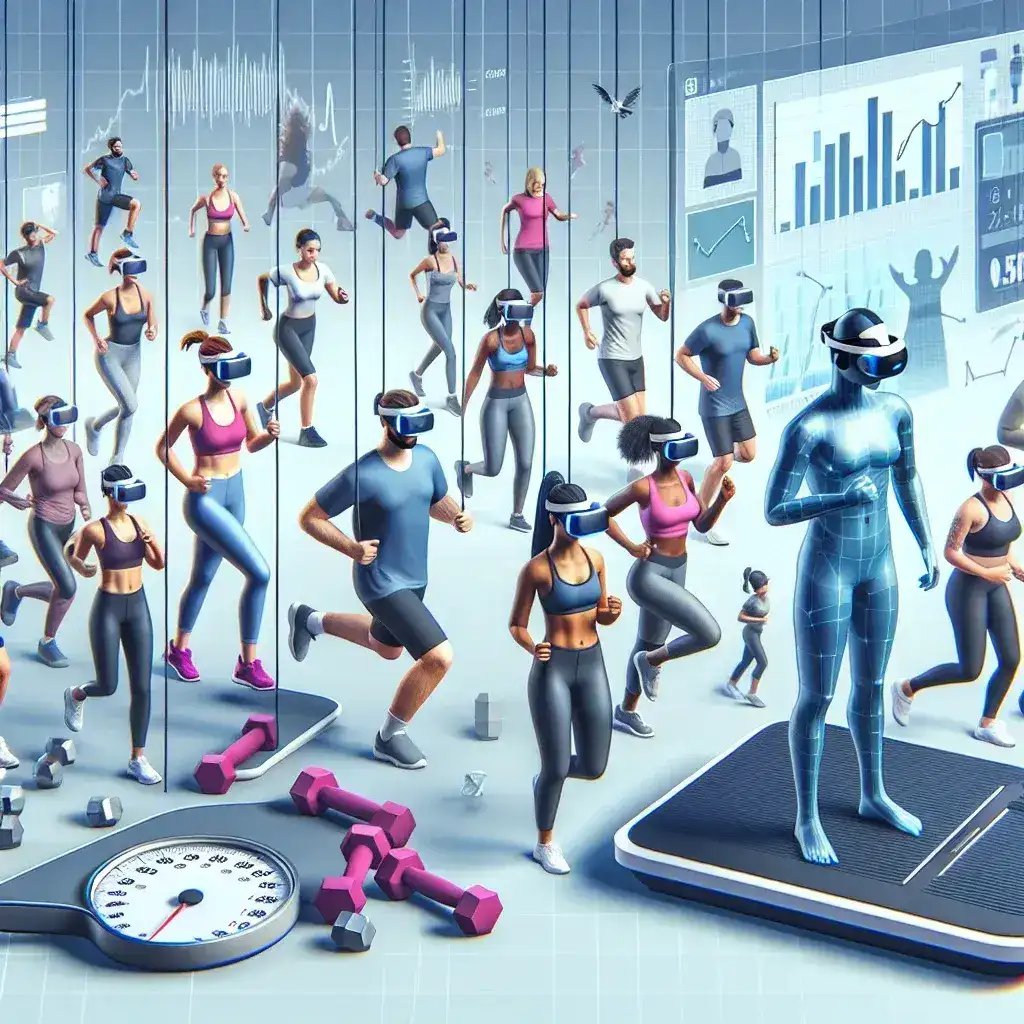
VR fitness typically involves the use of VR headsets and motion tracking technology, allowing users to engage in various activities such as boxing, dancing, or yoga in a virtual setting. The immersive nature of VR can lead to:
- Increased Motivation: Users often feel more excited about working out when it feels like a game.
- Enhanced Engagement: The interactive elements keep users focused and committed to their fitness routines.
- Social Interaction: Many VR fitness apps offer multiplayer options, fostering a sense of community.
Clinical Studies: The Evidence Behind VR Fitness
Several clinical studies have been conducted to assess the effectiveness of VR fitness applications in achieving weight loss. These studies provide compelling evidence of the benefits these technologies offer.
A Study on VR Fitness and Weight Loss
One significant clinical study published in a renowned journal involved a group of participants who used VR fitness apps over a 12-week period. The results were astonishing:
- Participants lost an average of 10 pounds, significantly more than those in traditional exercise groups.
- Many participants reported increased enjoyment in exercising, leading to longer workout sessions.
- Adherence rates were higher; 80% of participants continued using the app well beyond the study’s duration.
Comparative Analysis
Compared to conventional workout methods, VR fitness applications demonstrated superior adherence and enjoyment rates. Traditional programs often experience high dropout rates due to boredom or lack of motivation. VR’s interactive nature mitigates these issues by maintaining user interest and motivation.
Pros and Cons of VR Fitness Applications
Pros
- Innovative Experience: The immersive environments can make workouts feel less tedious.
- Flexibility: Users can work out anywhere, making it easier to fit exercise into busy schedules.
- Customizable Workouts: Many apps offer personalized fitness plans tailored to individual needs.
Cons
- Cost: High-quality VR equipment and applications can be expensive.
- Space Requirements: Users need adequate space to move around safely.
- Potential for Motion Sickness: Some individuals may experience discomfort or nausea when using VR technology.
The Future of VR Fitness
The future of VR fitness appears promising. With advancements in technology, we can expect:
- Improved Accessibility: As technology becomes cheaper, more people will have access to VR fitness solutions.
- Enhanced Realism: Future developments may lead to even more immersive environments, making workouts more engaging.
- Integration with Other Technologies: VR fitness can be combined with AI and wearable technology for personalized workout experiences.
Conclusion
VR fitness applications are not just a passing trend; they represent a significant shift in how we approach fitness and weight loss. Clinical studies have shown that these applications can lead to superior weight loss outcomes, primarily through increased engagement and motivation. While there are some drawbacks, the benefits of VR fitness far outweigh them. As technology continues to advance, we can anticipate a future where VR fitness becomes a standard component of weight management strategies. With immersive experiences that make workouts enjoyable, VR fitness is undoubtedly an exciting frontier in the world of health and fitness.
Call to Action
If you are interested in exploring VR fitness, it’s time to dive into this exciting trend. Whether you are a fitness novice or a seasoned athlete, VR fitness applications can provide the motivation and engagement you need to achieve your weight loss goals. Why not give it a try and see the difference for yourself?