
Introduction
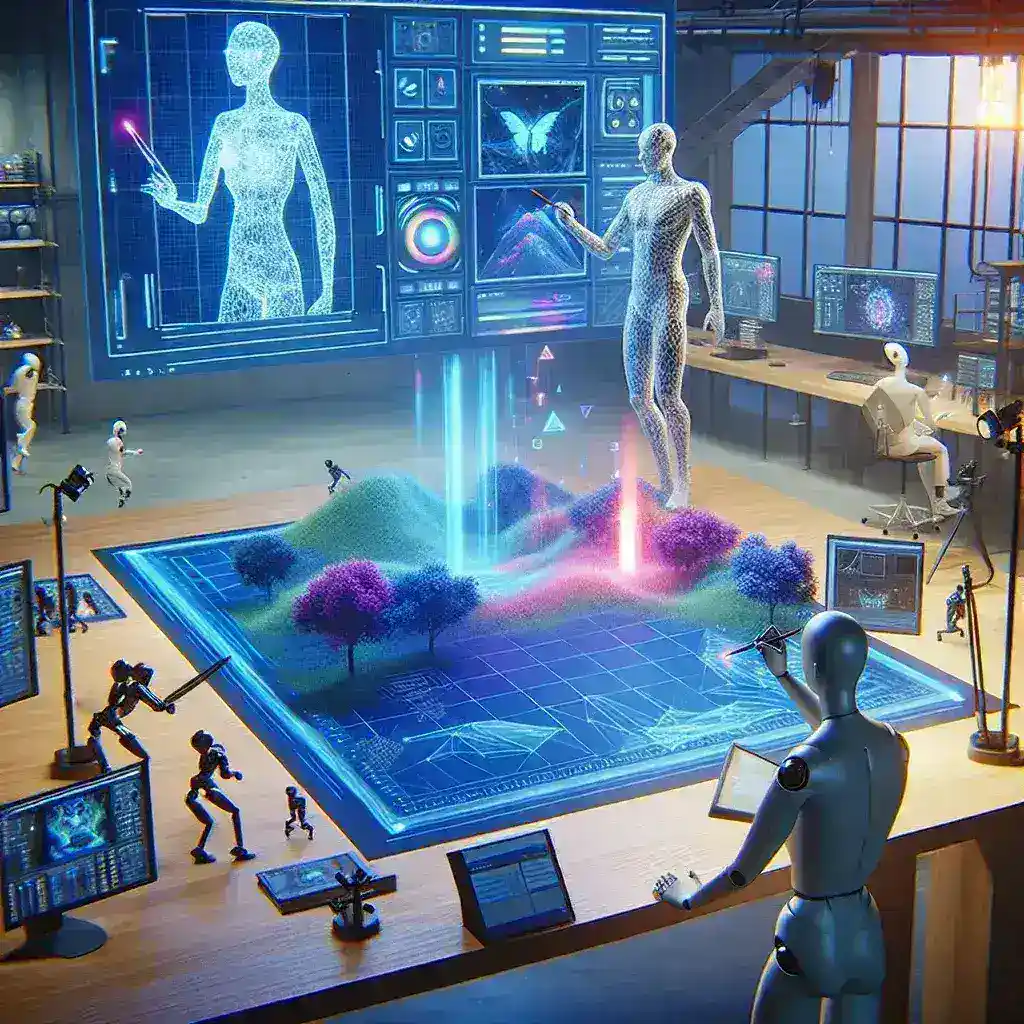
Unity Technologies, a leader in real-time 3D development, has unveiled an innovative generative AI scene builder that is set to revolutionize the way developers create virtual environments. This groundbreaking tool leverages the power of artificial intelligence to assist in the design and construction of intricate game scenes, allowing developers to focus on creativity rather than mundane tasks.
Understanding Generative AI
Before delving into Unity’s scene builder, it’s essential to grasp the concept of generative AI. Generative AI refers to algorithms that can generate new content based on existing data. In the context of game development, this means creating immersive environments, objects, and even characters through automated processes that learn from user inputs and existing assets.
The Evolution of Game Development Tools
Historically, game development has required a significant investment of time and resources. Developers often spent countless hours crafting detailed scenes, ensuring that every element fit into the larger narrative and aesthetic. Traditional tools offered limited scalability and flexibility, leading to bottlenecks in the creative process.
Unity’s Response
Unity’s introduction of the generative AI scene builder emerges from the need for a more efficient development process. By integrating generative AI, Unity aims to provide developers with a solution that not only accelerates scene creation but also enhances the artistic potential of their projects.
Key Features of the Generative AI Scene Builder
The generative AI scene builder in Unity offers several key features that set it apart from traditional scene-building tools:
- Intelligent Asset Generation: The AI can analyze existing assets and generate new items that fit seamlessly within a scene, ensuring coherence in design.
- Dynamic Environmental Changes: Users can make specific modifications to the environment, and the AI will adapt the scene accordingly, creating a realistic and responsive world.
- Collaborative Tools: The scene builder supports multiple users, allowing teams to collaborate in real-time, enhancing creativity and productivity.
- User-Friendly Interface: Designed with both seasoned professionals and newcomers in mind, the interface is intuitive, reducing the learning curve associated with traditional game development tools.
Benefits of Using the Generative AI Scene Builder
1. Enhanced Creativity
With the burden of manual scene creation lifted, developers have more time to focus on storytelling and innovative gameplay mechanics. The AI assists by suggesting options, generating variations, and sparking new ideas through its intelligent algorithms.
2. Increased Efficiency
The generative AI scene builder significantly reduces the time spent on creating intricate scenes. Developers can produce high-quality environments quickly, allowing for faster iteration and testing of game concepts.
3. Accessibility for All Skill Levels
This new tool democratizes game development, making it easier for individuals without extensive technical backgrounds to participate in creating video games. Aspiring developers can experiment and learn without the steep learning curve traditionally associated with game design.
Practical Applications of the Generative AI Scene Builder
Real-world applications of this technology extend beyond gaming. Industries such as architecture, film, and education can also benefit from Unity’s generative AI scene builder. For example, architects can simulate building designs, while educators can create immersive learning environments.
Case Study: A Game Developer’s Experience
To illustrate the effectiveness of the generative AI scene builder, consider the experience of a mid-sized game development studio that utilized the tool during their latest project. The team reported:
- Reduction in scene creation time by over 50%.
- Improved collaboration among team members, leading to a more cohesive final product.
- Ability to experiment with different aesthetics and gameplay mechanics in a fraction of the time.
Challenges and Considerations
While the generative AI scene builder offers numerous advantages, there are challenges to consider:
- Dependence on AI: Relying too heavily on AI-generated content may lead to a lack of originality in game design.
- Quality Control: While AI can generate assets, developers still need to ensure that the quality meets industry standards.
- Learning Curve: Despite its user-friendly design, some users may still face challenges in understanding how to effectively utilize all features of the tool.
The Future of Game Development
As Unity continues to refine its generative AI scene builder, the future of game development looks promising. With advancements in machine learning and AI, we can expect even more sophisticated tools that empower developers to push creative boundaries. This evolution could lead to unprecedented levels of interactivity and immersion in gaming experiences.
Predictions
Experts predict that within the next decade, AI will play a central role in game development, automating not just scene creation but also gameplay mechanics and character interactions. This shift could redefine the industry, making game development more accessible than ever before.
Conclusion
The introduction of the generative AI scene builder by Unity marks a significant milestone in game development. By harnessing the power of AI, Unity is empowering developers to focus on what they do best: creating engaging and immersive experiences. As this technology evolves, it could change the landscape of game design, paving the way for future innovations that we can only imagine today.